Restaurants run overhead doors harder than almost any other commercial space. A loading dock might cycle a dozen times a day, a walk-in cooler door seals and unseals under health-inspector scrutiny, and a stuck door during dinner rush costs real revenue, not just an inconvenience. Overhead door repair for restaurants isn't the same job as fixing a residential garage door, and treating it that way is how kitchens end up with recurring breakdowns.
- Same-day response is the top priority for overhead door repair for restaurants — a stuck dock door halts deliveries fast.
- Bottom seal and weatherstrip replacement is the fix most tied to health-code pass rates on cooler and dock doors in 2026.
- Misaligned safety sensors on drive-thru and dock doors are a liability risk — realign before a claim, not after.
- Full commercial door replacement is a Skip unless the panel is bent, rusted through, or past 15 years old.
Why this matters
A garage door that sticks at home is annoying. A garage door that sticks on a restaurant loading dock during a Friday delivery window means a driver waits, product sits on a truck, and the kitchen scrambles. Health inspectors also treat overhead doors as part of the pest and sanitation checklist, not just as a structural component. Get the repair wrong, or defer it too long, and you're not just dealing with a broken door — you're dealing with a failed inspection, a stalled delivery, or a liability claim tied to a sensor that never got realigned.
Who this is for
This guide is for restaurant owners, GMs, and facilities managers responsible for a loading dock door, a walk-in cooler or freezer overhead door, a drive-thru service door, or a kitchen delivery entrance. If you're weighing a quick patch against a full commercial overhead door repair job, or trying to figure out why the same door keeps breaking, the criteria below apply whether you run one location or a five-location group.
What to look for in overhead door repair for restaurants
Same-day or emergency response
A restaurant can't wait three days for a technician when the loading dock door won't close and the walk-in is exposed to outside air. Ask any repair company how fast they can be on-site — same-day or next-morning should be the baseline for a working kitchen, not the exception. Fairmount Door treats emergency response as a core part of overhead door repair for restaurants because downtime on a dock door has a dollar cost attached to every hour it sits open.
Health-code sealing and pest exclusion
A gap as small as a quarter-inch is enough for rodents to enter, and health inspectors know exactly where to look on an overhead door: the bottom seal, the side weatherstrip, and the corner gaskets. Worn seals on a dock or cooler door are one of the most common items flagged during routine inspections in 2026. If your door hasn't had a bottom seal replacement for water and pests in the last few years, that's the first thing to check before an inspector does.
Safety sensor and photo-eye compliance
Drive-thru doors and loading docks see foot traffic, delivery carts, and vehicles moving through the opening constantly. A misaligned photo-eye sensor that fails to stop a closing door isn't just an inconvenience — it's a liability exposure if someone gets hit. Any repair company working on a restaurant's overhead door should check and, if needed, complete a full safety sensor realignment as part of the visit, not as an upsell.
Noise control during service hours
A noisy dock door grinding through its cycle during lunch service is a problem front-of-house staff notice and customers sometimes hear. Worn rollers and tracks are almost always the cause, and they're a cheap fix relative to the disruption they cause. This matters more for restaurants than most commercial tenants because the dining room is often close enough to hear the back-of-house door cycle.
Insulation and temperature separation
Walk-in cooler and freezer overhead doors do double duty as structural doors and temperature barriers. A door that doesn't seal tight loses cold air, which means the compressor runs longer and the utility bill climbs. Insulation rating matters more here than on a standard dock door, and it's worth flagging specifically when you're scoping repair versus replacement.
Repair-versus-replace judgment
Not every problem needs a new door. A bent panel section, a failed opener motor, or a snapped spring is usually a repair. A door that's rusted through, warped along the track, or older than 15 years with recurring failures is a replacement conversation. Getting this call wrong in either direction wastes money — either you're pouring repair costs into a door that's done, or you're replacing something that had years left in it.
Get overhead door repair scheduled
Same-day estimates for restaurant loading docks, coolers, and drive-thru doors.
Repair options worth considering
Spring replacement for daily-use dock doors — the workhorse fix. A torsion spring under constant multi-cycle use is one of the most common failure points on a restaurant loading dock. Expect a technician to swap it in under an hour on most standard commercial setups. Buy — this is the fix that keeps a high-traffic dock door running through 2026 without another callback.
Bottom seal and weatherstrip replacement for cooler doors — the health-inspector fix. If your last inspection flagged a gap or draft around the walk-in door, this is the direct fix, not a stopgap. It's inexpensive relative to the risk of a failed inspection or a spiked energy bill from cold air leaking out. Buy — do this before the next scheduled inspection, not after a citation.
Roller and track service for noisy kitchen doors — the service-hours fix. Grinding, squealing, or a door that hesitates mid-cycle almost always traces back to worn rollers or a track that's slightly out of alignment. It's a low-cost repair that solves a problem staff notice daily. Buy — cheap fix, immediate difference.
Safety sensor realignment for drive-thru and dock doors — the insurance fix. If the door doesn't reverse cleanly when something crosses the sensor beam, that's not a minor annoyance — it's a liability sitting on your loading dock. Buy, and treat it as non-negotiable, not optional.
Full door and opener replacement for aging commercial doors — the last resort. Once a door is rusted through the panel, warped off true, or the opener motor has failed more than twice in a year, repair stops being cost-effective. Consider this only after a technician has confirmed the door is past reasonable repair — get a second opinion before committing to full replacement.
What to avoid
- DIY spring adjustment. A commercial torsion spring under load can cause serious injury if handled without the right bar and tension setup. This is not a job for kitchen staff, no matter how confident anyone is.
- Mismatched insulation on cooler doors. Installing a standard, uninsulated panel on a walk-in cooler opening because it's cheaper up front just shifts the cost to the utility bill every month after.
- Ignoring fire-rated requirements near kitchen exhaust. Doors positioned close to kitchen exhaust systems sometimes fall under fire-rating requirements depending on local code — confirm this before any replacement, not after an inspector flags it.
Verdict comparison
| Repair Type | Best For | Typical Downtime | Verdict |
|---|---|---|---|
| Spring replacement | Daily-use dock doors | Under 1 hour | Buy |
| Bottom seal / weatherstrip | Cooler & dock health-code gaps | Under 1 hour | Buy |
| Roller & track service | Noisy kitchen-area doors | 1-2 hours | Buy |
| Safety sensor realignment | Drive-thru & dock liability | Under 1 hour | Buy |
| Full door & opener replacement | Rusted, warped, or 15+ year old doors | Half-day to full day | Consider |
FAQ
What’s the best fix for a restaurant loading dock door that won’t close all the way?
Worn rollers, a bent track, or a failing spring are the most common causes on a heavily-used dock door. A technician can usually diagnose and repair it in under two hours without replacing the whole door.
How much does overhead door repair for restaurants cost?
Costs vary by the repair needed — spring, seal, and roller fixes run far less than full door replacement. Budgeting guidance for repair versus replacement costs helps set expectations before a technician arrives.
Is overhead door repair different for restaurants than for warehouses?
The mechanics are similar, but restaurants add health-code sealing and noise-during-service considerations that warehouses rarely face. Cooler and freezer doors also carry insulation requirements a warehouse dock door doesn’t.
How often should a restaurant’s overhead door get serviced?
An annual inspection catches worn seals, misaligned sensors, and spring wear before they cause a breakdown. High-cycle dock doors used dozens of times daily may need a check every six months.
Can a misaligned safety sensor cause a health or safety inspection failure?
Sensor alignment isn’t typically a health-code item, but it is a liability and safety issue that insurers and OSHA-adjacent standards care about. Fix it as a safety priority, not a cosmetic one.
Should a restaurant repair or replace an old dock door?
Repair makes sense for isolated issues like a snapped spring or worn rollers. Replacement makes sense once the panel is rusted through, warped, or the door is past 15 years with repeated failures.
Do walk-in cooler doors need different repair than standard dock doors?
Yes — cooler and freezer overhead doors need insulation-rated panels and tight seals to prevent cold air loss, which standard dock doors don’t require.
What causes a noisy overhead door in a restaurant kitchen?
Worn rollers and a slightly misaligned track are the usual causes, and both are inexpensive to fix. Left alone, the noise usually gets worse and can lead to the door binding mid-cycle.
One last thing
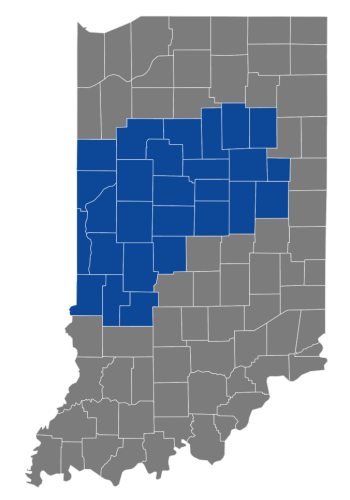
The overhead door most restaurants forget to think about is the one nobody looks at until it fails — the walk-in cooler or freezer door tucked in the back hallway. It doesn't get the daily wear a dock door does, but a worn seal on that door quietly runs up the energy bill every single day it goes unfixed, long before it ever fails outright. Fairmount Door has serviced Hoosier businesses for over 50 years, and the pattern holds across restaurants of every size: the door people ignore longest is the one costing the most money right now.
Related guides
- Garage door roller replacement for sticking or noisy doors
- How to tell if you need garage door repair or replacement