HOA boards and condo associations don't manage one garage door — they manage a fleet, often 20 to 150 of them, all tied to a single reserve fund and one liability policy. Garage door maintenance for HOA communities means treating those doors as shared infrastructure, not individual homeowner headaches.
- Garage door maintenance for HOA communities works best on a twice-yearly inspection schedule, not reactive repair calls. Buy.
- Heavy-duty torsion springs outlast standard residential springs on shared garage rows and high-cycle doors. Buy.
- A reserve fund line item for door replacement every 5-7 years beats emergency special assessments. Consider.
- Rental and multi-unit doors need unit-by-unit tracking, not a one-size-fits-all maintenance plan. Consider.
- Fairmountdoor treats HOA and condo garage doors as commercial-grade equipment, not homeowner add-ons.
Why this matters
A single failed torsion spring on a shared garage row isn't just one door's problem — the door won't lift, residents can't get vehicles out, and the board fields the call within the hour. Multiply that across a 60-unit community and reactive repair becomes the default budget line instead of the exception.
Boards that budget for garage door repair and replacement costs ahead of time spend less per door over a 10-year window than boards that wait for failures. Emergency service calls run higher than scheduled maintenance visits, and a special assessment for door replacement is a harder conversation with owners than a planned reserve contribution.
Garage door maintenance for HOA communities in 2026 also carries liability weight most boards underestimate. A door that falls on a resident's vehicle or, worse, a person, becomes a claim against the association — not just the property manager's inbox.
Who this is for
This guide is for HOA board members, community association managers, and property management companies overseeing shared or individually-owned garage doors across townhome rows, condo buildings, and mixed-use developments. If your community has more than a handful of doors and no written maintenance schedule, this applies to you.
What to look for in garage door maintenance for HOA communities
Inspection frequency written into the contract
Any maintenance agreement worth signing specifies how often a technician actually looks at each door — not "as needed." Twice a year is the standard cadence for communities with moderate use; high-traffic detached garage rows or doors near salt-treated roads warrant a spring and fall visit at minimum.
Spring rating matched to door weight and cycle count
Standard residential torsion springs are built for single-family use patterns. A shared garage row or a door cycling multiple times a day for rental turnover needs springs rated for higher cycle counts, or the board is replacing springs every two to three years instead of seven to ten.
One vendor, one record per door
Communities that rotate vendors lose the maintenance history on individual doors. A single vendor keeping per-door service records catches a roller wearing loose or a sensor drifting out of alignment before it becomes a stuck-door call at 7 a.m.
Liability and safety sign-off
Boards carry the liability exposure, not individual owners, on common-area doors. Maintenance visits should include a written safety check — cable fraying, sensor alignment, spring tension — with documentation the board can produce if a claim ever comes up.
Budget alignment with the reserve study
Garage doors have a replacement cycle like roofs and pavement, typically 15 to 25 years depending on material and exposure. A maintenance plan that doesn't feed into the community's reserve study just delays the bill instead of planning for it.
Access control consistency across units
Mixed communities with a blend of owner-occupied and rental units need a system for reprogramming remotes and keypads when tenants turn over. A maintenance vendor who can reprogram a garage door remote or keypad same-visit saves the board a separate service call every time a unit changes hands.
“If a spring on a shared garage row fails, it’s rarely just one door’s problem.”
Top picks for HOA and condo maintenance programs
Scheduled maintenance contract — the safe pick. A written agreement covering two inspections a year, spring tension checks, and sensor alignment on every door in the community. The concrete number that matters: communities on a twice-yearly schedule report fewer emergency calls than those without one, because worn parts get caught before they fail. Buy — set up a maintenance contract for overhead doors before the next reserve budget cycle.
Heavy-duty torsion spring upgrade — the wear-and-tear fix. Standard springs rated for roughly 10,000 cycles hold up fine on a single-family home opening the door twice a day. Shared rows and high-turnover rental units blow through that cycle count in half the time. Buy — upgrading to torsion springs built for heavier doors on high-use rows cuts spring-related service calls.
Reserve fund line item for door replacement — the budget guardrail. Doors typically need full replacement every 15 to 25 years depending on climate and material. Boards that add this as a standing reserve line, reviewed against the same numbers used for repair-and-replacement budgeting, avoid the special-assessment conversation. Consider — fold it into the reserve study this year, not after a door fails.
Unit-by-unit tracking for mixed ownership — the accountability pick. Rental turnover, tenant misuse, and owner-occupied doors wear at different rates within the same community. Boards that log service history per door, not per building, catch the outlier unit needing attention before it becomes the loudest complaint at the annual meeting. Consider — worth the extra line in the maintenance log, not worth a separate vendor contract.
Get a maintenance plan built for your community
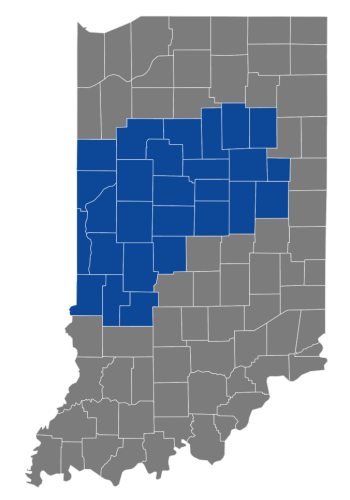
Fairmountdoor quotes HOA and condo garage door contracts by unit count.
What to avoid
- The lowest bid with no written scope. A cheap annual fee that doesn't specify inspection frequency or parts covered turns into a series of surprise invoices the board didn't budget for.
- Treating every door as identical. A door facing a salt-treated access road wears differently than one in a covered garage. A blanket schedule ignores that and either over-services low-wear doors or under-services high-wear ones.
- DIY spring work on common-area doors. A board member or maintenance staffer adjusting torsion spring tension on a shared row is a liability problem waiting to happen — this is licensed technician work, every time.
Verdict comparison
| Program | Best for | Frequency | Verdict |
|---|---|---|---|
| Scheduled maintenance contract | All communities with 10+ doors | 2x/year | Buy |
| Heavy-duty torsion spring upgrade | High-cycle or shared rows | At spring failure or upgrade cycle | Buy |
| Reserve fund line item | Boards without a replacement budget | Reviewed annually | Consider |
| Unit-by-unit tracking | Mixed rental/owner-occupied communities | Ongoing log | Consider |
FAQ
How often should HOA garage doors be inspected?
Twice a year is standard for garage door maintenance for HOA communities in 2026, with a spring and fall visit covering spring tension, roller wear, and sensor alignment. High-use rows near salt-treated roads may need a third check.
Who pays for garage door repairs in a condo association — the HOA or the unit owner?
It depends on the governing documents, but common-area or attached garage doors are typically the association’s responsibility while interior components owners installed themselves may fall to the unit owner. Check the CC&Rs before assuming either way.
How much does a maintenance contract cost for a garage door community?
Cost scales with door count and inspection frequency, and varies by vendor and region. Budgeting alongside repair and replacement costs gives the board a realistic annual figure instead of guessing.
How long do garage door springs last on shared garage rows?
Standard springs run 7 to 10 years under typical residential use, but shared rows and rental-heavy communities cycle through that faster. Heavy-duty, higher-cycle springs close that gap.
Is a maintenance contract better than paying for repairs as they happen?
Yes, for communities with more than a handful of doors — scheduled inspections catch worn parts before they cause an emergency call, which costs more than a planned visit.
How do HOAs handle garage door remotes when tenants move out?
Reprogramming the remote or keypad at each turnover keeps access secure, and bundling it into a maintenance visit avoids a separate service fee every time a unit changes hands.
What’s the biggest liability risk with HOA garage doors?
An unmaintained spring or misaligned safety sensor that lets a door close on a vehicle or person — documented inspections are the board’s best defense if a claim comes up.
Should HOAs budget for garage door replacement separately from repairs?
Yes. Doors typically need full replacement every 15 to 25 years, and that number belongs in the reserve study as its own line, not folded into general repair spending.
One last thing
Most boards budget for roof and pavement replacement on a schedule but treat garage doors as a reactive expense — until a spring fails on a shared row during a holiday weekend and every unit on that row is locked out at once. Putting door replacement on the same reserve-study cycle as everything else is the cheapest insurance policy the board never thought to write in 2026.
Related guides
- How to tell if you need garage door repair or replacement
- Garage door repair for rental properties and landlords