Garage doors are the largest moving opening on most homes, yet they get a fraction of the attention locks and alarm systems get. The garage door security upgrades against break-ins that actually work in 2026 aren't complicated or expensive — they close specific, documented gaps that most homes still have.
- Rolling-code openers with 100 billion-plus combinations beat fixed-code remotes for garage door security upgrades against break-ins. Buy.
- Reprogramming remotes and keypad codes after any move or lost fob closes the most common access gap in 2026.
- Rolling steel doors in 20-24 gauge steel win for detached garages and workshops holding tools or equipment. Buy.
- Battery backup openers keep locks, sensors, and codes active during outages instead of leaving the door on manual release.
- The exposed manual release cord is still a documented coat-hanger entry point on older sectional doors. Shield it.
Why This Actually Matters
Most homes built before 2000 shipped with fixed-code garage door openers — a set of 8 to 12 physical switches that generated the same signal every time the remote fired. That signal can be captured and replayed with cheap, widely available code-grabbing hardware. A smart garage door opener with remote monitoring replaces that fixed signal with a new rolling code on every use, which is the single biggest jump in garage door security available in 2026.
The second overlooked gap is access control. Every remote ever paired to an opener, every keypad code ever set, and every prior owner's fob stays active until someone wipes it. A garage isn't secure just because the door is new — it's secure because the list of things that can open it is short and known.
How Fairmount Door Ranked These Upgrades
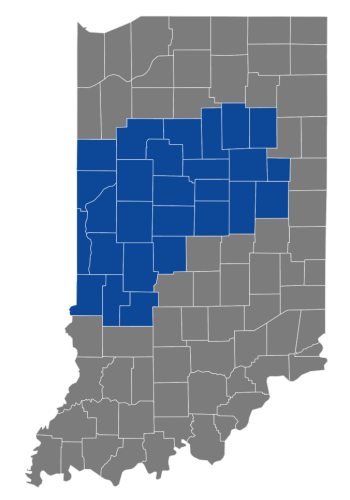
Fairmount Door has installed and repaired garage doors for Hoosier homeowners for more than 50 years, and the upgrades below are ranked by how directly each one closes a known break-in method, not by how much smart-home hardware it bundles in. Cost-to-benefit for a standard attached garage was weighed against the higher-security needs of detached garages, workshops, and small commercial bays. Upgrades that solve a real, documented vulnerability rank above upgrades that just add convenience features with a security label attached.
The Ranked List
1. Rolling-code smart opener — the one everyone should already have
A rolling-code opener generates a fresh signal with every remote press, drawing from a pool of over 100 billion combinations instead of the fixed 8-to-12-switch codes common on pre-2000s systems. Remote monitoring adds a phone alert the moment the door opens unexpectedly, which matters more than the app itself.
Fixed-code openers are still running in a lot of garages in 2026, and they're the easiest target on this list for anyone with basic code-grabbing hardware. Verdict: Buy.
2. Battery backup opener — keeps security features running when the power doesn't
A battery backup opener keeps the motor, keypad, and safety sensors live during an outage instead of forcing the door onto manual release, which is the least secure state a garage door can be in. Storms and outages tend to cluster with break-in attempts because homes look unoccupied and alarm systems drop offline.
This matters most for attached garages that double as a house entry point, since a dead opener there means a dead lock on that door too. Verdict: Buy for attached garages; Consider for detached units with a separate lock.
3. Rolling steel security door — the wildcard for detached garages and workshops
Rolling steel doors use interlocking 20-to-24-gauge steel slats instead of the panel-and-track design on standard sectional doors, and they're standard on high-security commercial buildings for a reason — there's no seam wide enough to pry a bar into. On a residential property, that makes the most sense on a detached garage or workshop storing equipment separate from the house.
Overkill on a standard two-car attached garage where a rolling-code opener already covers the main risk. Verdict: Buy for detached garages and workshops; Skip for standard attached two-car garages.
4. Reprogram every remote and keypad code — the five-minute fix everyone skips
Every remote and keypad code ever set on an opener stays active until someone clears the memory, which means prior owners, past contractors, or a lost visor remote can still open the door years later. Reprogramming the remote and keypad wipes that list and starts a clean one.
Do this immediately after any move-in, after losing a remote, or after a tenant turnover in 2026 — it costs nothing but ten minutes. Verdict: Buy — do this first.
5. Shield the manual release — the lock nobody thinks is a lock
The manual release cord and lever exist so the door can open by hand during a power outage, but on older sectional doors that same lever can be tripped from outside with a bent coat hanger fed through the top seal — a method locksmiths have flagged for years. Shielding or relocating the release lever closes that gap without touching the opener.
“If the release lever hangs where a hand can reach it from outside, the fanciest opener in the world doesn’t matter.”
Check this on any door installed before roughly 2010 that hasn't had its release hardware updated. Verdict: Consider — inspect before spending on anything else.
Not sure which upgrade fits your garage
Get a straight answer on opener, door, or hardware fixes for your setup.
One more thing worth a look while you're at it: clear glass panes set into a garage door next to the release mechanism let anyone see exactly where the lever is and what's parked inside. It's not a top-five fix, but if a remodel is already on the table, frosted glass over clear panes removes that sightline for free.
Comparison Table
| Upgrade | Best For | Key Benefit | Verdict |
|---|---|---|---|
| Rolling-code smart opener | Any home, especially pre-2000 builds | Kills fixed-code signal replay | Buy |
| Battery backup opener | Attached garages used as an entry point | Keeps sensors and locks live in an outage | Buy |
| Rolling steel security door | Detached garages, workshops | 20-24 gauge steel resists prying | Buy for detached; Skip for standard attached |
| Remote and keypad reprogramming | Every homeowner, especially after a move | Clears every stale code and remote | Buy first |
| Manual release shield | Doors installed before ~2010 | Removes the coat-hanger entry method | Consider |
Where to Get These Installed
- Don't wire a universal opener into an old fixed-code receiver — mismatched hardware can quietly disable the rolling-code protection you're paying for.
- Have a technician clear the code memory at the opener itself during reprogramming, not just the visor remote, so hidden or forgotten fobs get wiped too.
- On a rolling steel door, get the opening measured and matched to the right slat gauge before ordering — undersized steel on a wide opening warps under regular use.
FAQ
What’s the best garage door security upgrade against break-ins in 2026?
A rolling-code smart opener is the top upgrade in 2026 because it replaces fixed 8-to-12-switch codes with over 100 billion rotating combinations. Pair it with reprogrammed remotes and keypad codes for the biggest single jump in security.
Are smart garage door openers actually more secure than standard ones?
Yes, when the smart opener uses rolling-code technology instead of a fixed code. The security gain comes from the rolling code itself, not the app or remote monitoring features layered on top.
How much protection does a battery backup opener add?
A battery backup opener keeps the motor, keypad, and safety sensors powered during an outage instead of forcing the door onto manual release. That matters most on attached garages that also serve as a house entry point.
Do rolling steel doors work for residential garages?
Yes, especially on detached garages and workshops storing tools or equipment. Rolling steel uses 20-to-24-gauge interlocking slats and is generally overkill for a standard attached two-car garage.
How often should garage door remote and keypad codes be reprogrammed?
Reprogram codes after any move-in, after losing a remote, and after any tenant turnover. Every code ever set stays active on the opener until it’s manually cleared.
Is the manual release cord a real security risk?
Yes, on older sectional doors the release lever can be tripped from outside with a bent coat hanger fed through the top seal. Shielding or relocating the lever closes that specific gap.
Is a garage door window insert a security risk?
Clear glass next to the release mechanism lets anyone see the hardware and what’s stored inside. Frosted or obscure glass keeps the light without the sightline.
One Last Thing
The upgrade with the best return in 2026 isn't the one with the app — it's reprogramming every remote and keypad code the first week you own or rent a property. A rolling-code opener still answers to every stale fob ever paired to it until that list gets cleared, which means the most common break-in isn't a break-in at all. It's someone using a code nobody bothered to change.
Related Guides