Lumber yards and hardware stores run overhead doors more times a day than almost any other commercial building type — forklifts, delivery trucks, and contractors moving material in and out from open to close. This guide breaks down what to check, what to fix, and what to upgrade on those doors before the next busy season in 2026.
- High-cycle torsion springs rated for 20,000+ cycles are the right fix for overhead door repair for lumber yards — standard springs fail fast. Buy.
- Standard 2-inch track bends under forklift traffic; 3-inch heavy-duty track holds up on wide bay doors. Consider it.
- Pry-resistant security bar systems stop after-hours break-ins at lumber yards better than a stock slide bolt. Buy.
- Skip residential-grade springs and rollers sold as heavy duty at big box stores — they’re not rated for commercial cycling.
- A quarterly maintenance contract catches spring and track wear before it shuts down a loading bay in 2026.
Why this matters
A lumber yard or hardware store overhead door isn't cycling once or twice a day like a homeowner's garage door. It's opening for forklifts, box trucks, and contractors loading material from open to close, sometimes dozens of times in a single shift. That cycle count wears out springs, rollers, and track sections faster than parts rated for residential use ever expect to handle.
If you're not sure whether a door on your property needs a repair or a full replacement, check the signs before spending money on parts that won't hold up under commercial-grade cycling anyway. A door held together with the wrong spring or a bent track section isn't a repair — it's a delay waiting to happen.
Who this is for
This guide is for facility managers, store owners, and maintenance leads running overhead doors at lumber yards, hardware stores, home improvement centers, and contractor supply yards. If your door sees forklift traffic, curbside pickup lanes, or a gate that goes up and down all day, the parts and vendor decisions below apply directly to your building — not the general residential advice most garage door content is written for.
What to look for in overhead door repair for lumber yards
Cycle rating on springs and hardware
Standard torsion springs are rated for around 10,000 open-close cycles, which sounds like a lot until a busy lumber yard door hits that number in under two years. High-cycle springs rated for 20,000 to 50,000 cycles cost more upfront but stop the recurring spring failure calls that shut down a bay in the middle of a delivery.
Track gauge and reinforcement
Doors 12 feet or wider — common at lumber yard bays and hardware store loading entries — need heavier track than a standard two-car residential door. Thin track flexes under repeated forklift vibration and eventually pulls loose from the wall bracket, which is one of the more common commercial calls.
Bottom seal and weather protection
Yards with open storage and constant foot and vehicle traffic push more debris, dust, and moisture into the door track than a typical garage. A worn bottom seal lets water and grit into the opening mechanism faster than it would in a sealed retail space.
Security hardware for after-hours risk
Lumber yards and hardware stores hold inventory that's easy to resell — tools, fasteners, copper fittings, power equipment. A door that only has a factory slide bolt is an easier pry target than one with a dedicated security bar system.
Response time from the repair vendor
A stuck bay door isn't a same-week problem when it's blocking curbside pickup or a delivery lane — it's a today problem. Ask any vendor you're considering how fast they can get someone on site before you sign anything, not after the door is already down.
Opener horsepower for wide, heavy doors
A wider, heavier commercial door needs an opener sized for the weight and width, not a residential-grade unit stretched past its rating. Undersized openers burn out motors and strip gears faster on doors that see this much daily use.
Top fixes and upgrades for lumber yard and hardware store doors
High-cycle torsion springs — the fix you can't skip
This is the single most common failure point on a high-traffic commercial door. Standard springs rated for roughly 10,000 cycles simply aren't built for a door opening 20-plus times a day; high-cycle torsion springs rated for 20,000 to 50,000 cycles are built for exactly this load. Verdict: Buy.
3-inch heavy-duty track — the workhorse upgrade
Standard 2-inch track works fine on a light residential door, but doors 12 feet or wider need the added rigidity of 3-inch track to stay aligned under repeated forklift traffic and vibration. It costs more to install but it's the difference between a door that stays on its rails and one that pulls loose every few months. Verdict: Consider.
Security bar and lock system — the theft deterrent
A factory slide bolt stops a casual attempt and nothing more. A dedicated security bar or slide-lock system resists pry attacks far better and is worth the upgrade on any yard holding tools, fasteners, or equipment overnight. Verdict: Buy.
Maintenance contract — the insurance policy
A quarterly inspection schedule catches a fraying cable or a worn roller before it becomes an emergency call during a Saturday rush. For a door that runs this many cycles, scheduled inspection is cheaper than reactive repair almost every time. Verdict: Buy.
What to avoid
- Residential-grade springs marketed as "heavy duty" at big box stores. They're rated for a two-car garage, not a bay door cycling dozens of times a day.
- Nylon-only rollers on high-traffic doors. They wear out faster under the dust and grit typical of a lumber yard than steel-reinforced rollers do.
- DIY torsion spring adjustment. A spring under tension on a wide commercial door carries enough force to cause serious injury if it's handled without the right tools — this is not a weekend fix.
Verdict comparison
| Upgrade | Best for | Key spec | Verdict |
|---|---|---|---|
| High-cycle torsion springs | Doors opened 20+ times a day | 20,000-50,000 cycle rating | Buy |
| 3-inch heavy-duty track | Doors 12 ft or wider | 3-inch track gauge | Consider |
| Security bar/lock system | Yards with after-hours theft risk | Pry-resistant slide bolt | Buy |
| Maintenance contract | Any high-traffic commercial door | Quarterly inspection | Buy |
Get a repair quote for your bay door
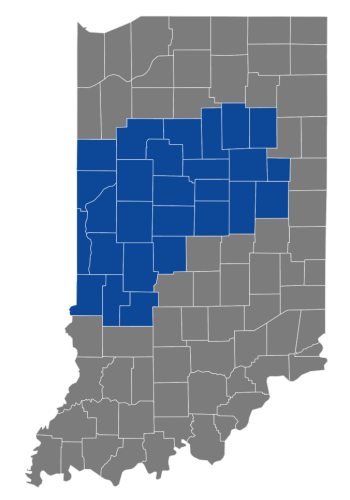
Fairmount Door services commercial overhead doors for lumber yards and hardware stores.
FAQ
What’s the best overhead door repair option for lumber yards?
High-cycle torsion springs rated for 20,000 or more cycles are the best starting point for lumber yard overhead door repair. Standard residential springs rated near 10,000 cycles wear out fast on doors that open dozens of times a day.
How often should a lumber yard’s overhead door be inspected?
A quarterly inspection catches most wear before it turns into a breakdown on a high-traffic door. Doors running 20 or more cycles a day benefit from more frequent checks than a standard maintenance schedule.
Is a maintenance contract worth it for hardware stores?
Yes, a maintenance contract is worth it for any hardware store running a door through daily curbside pickup or delivery traffic. Scheduled inspections catch a fraying cable or worn roller before it becomes an emergency closure.
How much does commercial overhead door repair cost in 2026?
Cost depends on the door size, the part failing, and whether the fix is a spring, track, or opener issue. Getting a specific quote for the door in question is more reliable than a general estimate in 2026.
Why do overhead doors fail faster at lumber yards than at other businesses?
Lumber yard doors cycle far more times per day than a typical retail or residential door because of forklift and delivery traffic. That higher cycle count wears out springs, rollers, and track faster than parts rated for lighter use.
Can a broken torsion spring be repaired or does it need replacement?
A broken torsion spring needs replacement, not repair — springs don’t get patched once a coil snaps. The bigger decision is whether to replace with a standard-cycle spring or upgrade to a high-cycle spring built for commercial use.
How do you secure a commercial overhead door against break-ins?
A dedicated security bar or slide-lock system resists pry attacks far better than a factory slide bolt. This matters most for lumber yards and hardware stores holding resellable inventory like tools and fasteners overnight.
What track size do heavy-duty commercial doors need?
Doors 12 feet or wider generally need 3-inch track instead of the standard 2-inch track used on lighter residential doors. The heavier gauge keeps the door aligned under repeated forklift vibration.
One last thing
The most common repair call at a lumber yard isn't a broken spring — it's a bent bottom panel from a forklift backing into the door before it's fully open. Getting the photo-eye sensor height and reversal timing right stops that before it happens, and it costs nothing compared to replacing a panel in 2026.
Related guides