Car collector garages need a door that does more than open and close on cue: it has to hold temperature, carry extra weight without straining the opener, and keep a six-figure collection out of sight from the street. A garage door for car collector garage use is built around insulation, upsized torsion springs, and monitored security – not the stock door that came with a two-car tract home.
- A garage door for car collector garage use starts insulated (R-13 or higher) and sized to the actual bay layout.
- Insulated steel sectional doors run heavier – torsion springs must be rated for the added weight, not the old door.
- Smart openers with camera and app monitoring protect a parked collection better than a keypad alone.
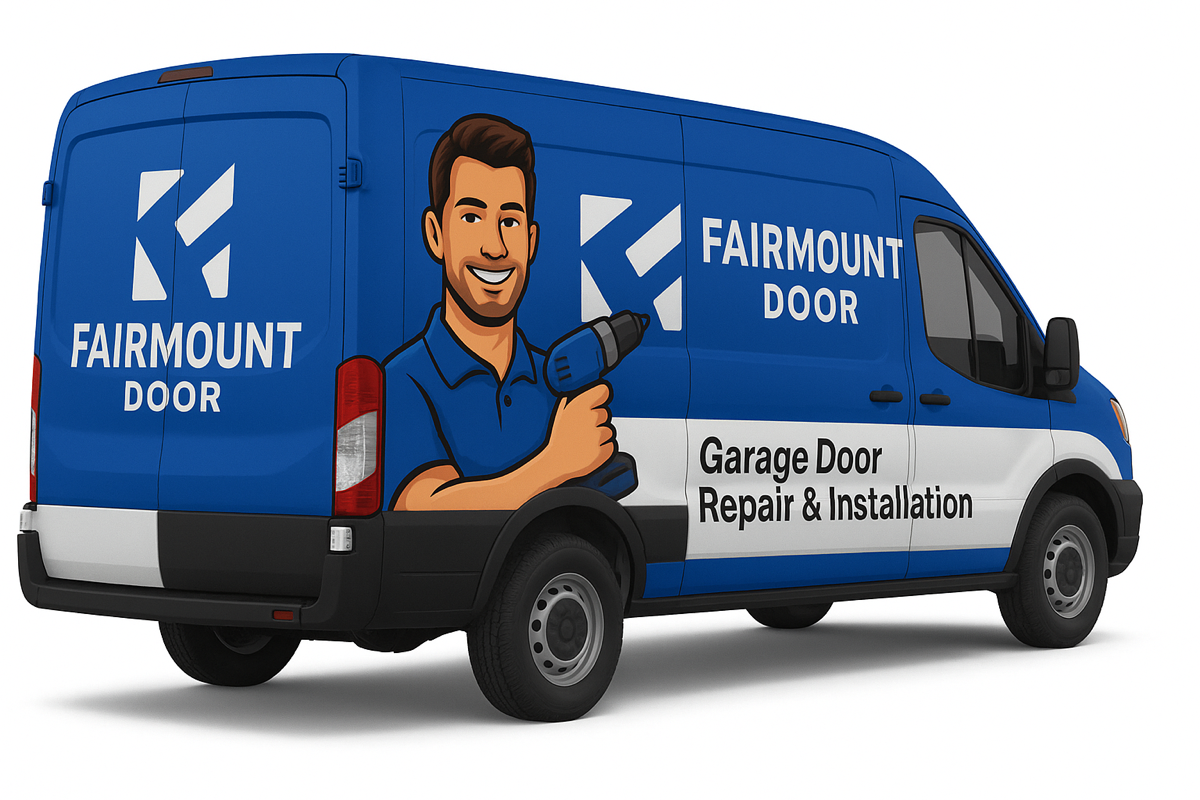
- Fairmount Door installs and services multi-bay collector garages for residential and commercial builds.
- Buy insulated steel sectional for daily-driver collections; reserve full-view glass for showroom-style display garages.
Why garage door installation matters for car collector garages
A collector garage isn't a parking spot – it's storage for vehicles that are sensitive to humidity, temperature swings, and dust the way a daily driver isn't. Add in floor jacks, lifts, and a workbench, and the door has to clear more headroom and open wider than a standard bay.
Most collector garages also run three, four, or more bays, which changes spring math, opener horsepower, and how often the door cycles in a given week. A door sized and sprung for a single sedan will fail early under that load. Check the multi-car garage installation page before you spec anything – bay count changes the whole design, and getting it wrong in 2026 means a second install job in 2027.
Size the opening for your actual collection, not the average car
Standard residential door widths (9 ft single, 16 ft double) assume a daily driver, not a low-slung classic with wide mirrors or a truck with a lift kit. Measure with the collection in mind, including clearance for opening car doors inside the bay.
- Measure the widest vehicle in the rotation with mirrors extended, then add clearance for walking the perimeter
- Confirm headroom against any planned car lift – most two-post lifts need 10-12 ft of clear ceiling
- Plan door width per bay separately if the garage mixes classic cars with modern SUVs
- Check the multi-car garage door page for layout options before ordering panels
- Confirm the foundation and header can carry a heavier insulated door section
Choose insulation rated for temperature-sensitive storage
Classic paint, upholstery, and rubber seals degrade faster with wide temperature swings and condensation. An insulated door section slows both, which matters more in a collector garage than in a garage used only for parking.
- Look for door sections rated R-13 or higher for a genuine thermal break, not just a foam-filled label
- Pair the insulated door with weatherstripping rated for the same climate zone
- Check the garage door insulation options for winter page for how R-values compare across steel and composite panels
- Seal the bottom and sides separately – insulation in the panel doesn't fix a leaky perimeter
- Budget for a slightly slower opener cycle time with heavier insulated panels
This is where Fairmount Door's install crews start most collector garage projects: insulation first, because it drives every downstream decision on springs and opener sizing.
Match torsion springs to the door's actual installed weight
An insulated steel sectional door can run noticeably heavier than the single-layer door it replaces. Reusing the old springs is the single most common mistake on collector garage retrofits, and it shows up as a door that won't stay open or an opener that burns out early.
- Weigh or estimate the finished door assembly, not just the panel spec sheet
- Size springs to the installed weight plus hardware, not the manufacturer's base model
- Standard residential torsion springs are rated for roughly 10,000 cycles – collector garages with frequent bay use wear through that faster
- Review the torsion springs for heavy garage doors page before ordering an insulated upgrade
- Have springs checked annually if the door cycles daily during driving season
“If the springs are sized for the old door, the new insulated panel is fighting the opener every single cycle.”
Add security hardware built for high-value contents
A collector garage is a bigger theft target than a standard garage, and the door is the weak point most owners overlook. Locks, sensors, and reinforced tracks matter more here than curb appeal.
- Add a slide lock or deadbolt-style bar in addition to the opener's built-in lock
- Reinforce the bottom bracket and track against forced prying
- Pair the door with motion-triggered exterior lighting at both entry points
- Check the garage door security upgrades page for hardware that fits a multi-bay layout
- Avoid glass panels on any bay facing the street if the collection includes vehicles worth protecting from visibility
Install a smart opener with remote monitoring
A collection you check on once a week benefits from an opener that reports status instead of one you trust blindly. App-based monitoring tells you if a door was left open, and camera-equipped models add a visual check.
- Choose an opener with app notifications for open/close status and unexpected activity
- Add battery backup so the door still locks and reports status during a power outage
- Size opener horsepower to the insulated door's weight – underpowered openers strain and fail faster
- Set up scheduled auto-close if the garage sees infrequent daily traffic
- Test the safety reversal sensors after any opener swap, especially with heavier doors
Control noise and light for workshop use
Most collector garages double as a detailing bay or light workshop, which means the door needs to handle sound and daylight, not just security.
- Add bottom seals and weatherstripping rated for sound dampening, not just weather
- Use window inserts placed high on the panel for daylight without street-level visibility
- Insulated steel panels reduce exterior road noise more than single-layer aluminum
- Confirm opener chain-drive vs belt-drive noise levels before installing above a workshop space
Get a collector garage door quote
Sizing, insulation, and spring specs reviewed before install.
Comparing door types for collector garages
| Door Type | Best For | Key Limitation |
|---|---|---|
| Insulated steel sectional | Daily-driver collections needing R-value and durability | Heavier – needs correctly rated springs and matched opener horsepower |
| Aluminum full-view glass | Showroom-style garages built for viewing the cars from inside | Lower insulation value, more prone to denting than steel |
| Carriage-style composite | Collectors matching a period exterior on an older home | Custom panels cost more to service and replace |
| Custom insulated wood | High-end collections wanting an architectural statement | Needs more frequent maintenance, especially in humid climates |
Insulated steel sectional wins for most working collector garages in 2026 – it balances thermal performance, spring compatibility, and repair availability better than glass or wood alternatives.
Common mistakes car collectors make with garage doors
- Sizing the door to the car, not the collection – a single wide bay ignores the clearance needed for jacks, lifts, and walking the perimeter of multiple vehicles
- Skipping the spring upgrade when adding insulation – a heavier insulated panel on old springs strains the opener and shortens spring life fast
- Choosing glass panels for looks over privacy – full-view doors advertise a collection to anyone walking by
- Treating the door as maintenance-free – collector garages that cycle daily during driving season need spring and sensor checks more often than a standard garage
- Ignoring headroom for lift equipment – measuring the car but not the lift leads to a door that clears the vehicle but not the equipment
FAQ
What’s the best garage door for a car collector garage?
Insulated steel sectional doors rated R-13 or higher work best for most collector garages in 2026, since they hold temperature and pair with standard torsion spring upgrades. Full-view glass suits showroom-style display garages but insulates poorly.
Do collector garages need heavier torsion springs?
Yes – insulated panels weigh more than the single-layer door they replace, and reusing old springs is the most common failure point on collector garage retrofits. Springs should be sized to the finished door weight, not the base panel spec.
Is a smart garage door opener worth it for a car collection?
A smart opener with app monitoring and camera integration lets you confirm a door is closed without a physical check, which matters for a garage that isn’t accessed daily. Battery backup is worth adding so the door still locks during a power outage.
How wide should a multi-car collector garage door be?
Width depends on the widest vehicle in the rotation plus clearance for opened doors and walking the perimeter – standard 16 ft double-bay widths often fall short for wide classics or trucks. Measure per bay rather than assuming a standard width fits every vehicle.
Should a collector garage door have windows?
Window inserts placed high on the panel add daylight without exposing the collection to street-level view, which is the safer option for high-value contents. Full-height glass panels look better for showroom setups but reduce both insulation and privacy.
How often should collector garage door springs be checked?
Standard torsion springs are rated for roughly 10,000 cycles, and a collector garage with daily use during driving season reaches that mark faster than a typical residential door. An annual check catches wear before a spring failure damages a parked vehicle.
What opener horsepower fits a heavy insulated garage door?
Insulated steel sectional doors generally need a higher horsepower opener than the standard 1/2 HP unit sold with most residential doors, since the extra panel weight strains an undersized motor. Matching opener horsepower to the finished door weight prevents early opener failure.
One last thing
The detail most collectors skip: the opener's horsepower rating on the box assumes the original, unloaded door weight – not the insulated panel you're about to install. Confirm horsepower against the finished door weight before the opener goes in, not after it starts straining.
Related guides
- Garage door installation for three-car and multi-car garages
- Best garage door insulation options for winter
- Best torsion springs for heavy garage doors
- Best garage door security upgrades to prevent break-ins