A garage door opener that runs but won't move the door almost always comes down to one of three mechanical failures: the trolley has disengaged from the drive chain or belt, a spring has broken and left the door too heavy for the motor to lift, or the drive gear has stripped out from age. The motor hums or runs its full cycle because the electrical side works fine — the mechanical link between the motor and the door is what's broken. Forcing the remote or pulling the emergency release repeatedly won't fix a stripped gear or a broken spring, and in 2026, that kind of forcing is still the number one cause of a door that finally falls off its track entirely.
- A garage door opener runs but door won’t move when the trolley disengages, a spring breaks, or the drive gear strips.
- Check the emergency release cord first — it’s the fastest and most common fix in 2026.
- A broken spring means the door is too heavy to lift even with a fully working motor, so never force the opener.
- Fairmount Door recommends calling a technician if resetting the trolley doesn’t restore movement within minutes.
Why This Matters
An opener that clicks on, runs its motor, and leaves the door sitting still isn't a minor annoyance — it's a mechanical failure between the motor and the door itself. Ignore it long enough and you end up with a door that's stuck off its track or a spring under enough stored tension to cause real injury if someone tries to force it.
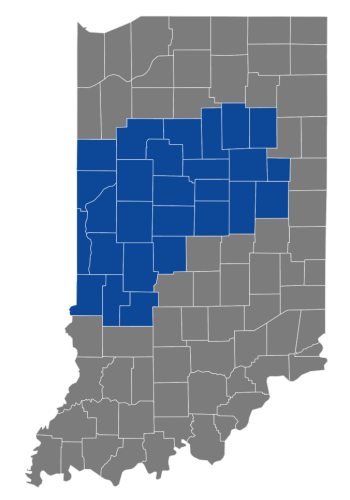
Fairmount Door has serviced Central Indiana garages for over 50 years, and the pattern holds up every winter: what looks like an opener problem is usually a spring, cable, or track problem the opener physically can't overcome. The motor isn't broken. Something downstream of it is.
Garage Door Opener Runs But Door Won't Move: Step-by-Step Diagnosis
Work through these checks in order before you call anyone. Most take under five minutes.
| Likely Cause | What You'll Notice | Urgency |
|---|---|---|
| Disengaged trolley or release cord | Chain or belt moves, door stays still | Fix now — safe to DIY |
| Broken spring | Door feels extremely heavy if lifted by hand | Call a pro, do not force |
| Stripped drive gear | Grinding noise, motor runs, no chain movement | Replace gear or opener |
| Cable off the drum | Door hangs crooked or won't budge at all | Call a pro |
| Bent or blocked track | Door moves partway, then stops | Inspect and clear the track |
- Look at the trolley — the plastic carriage that rides the rail above the motor. If the red emergency release cord is dangling and the trolley sits disconnected from the chain or belt, that's your answer.
- Listen to the motor. A clean hum with no visible movement in the chain usually points to a stripped gear. Grinding or a slipping-belt sound points the same direction.
- Try lifting the door by hand with the opener disconnected. If it takes real effort or won't budge past a foot, a spring has failed.
- Check both cables running from the bottom brackets up to the drums near the springs. A slack or snapped cable means the door isn't mechanically connected to anything.
- Walk the track for dents, gaps, or debris, especially near the bottom rollers.
Disengaged Trolley: The 30-Second Fix
This is the most common cause and the easiest to fix yourself. Pull the emergency release cord toward the motor to reconnect the trolley to the chain or belt, then test the opener with the remote. If the door moves normally afterward, the fix is done — no parts needed, no service call required.
Broken Springs: Why the Motor Can't Lift 130-250 Lbs Alone
Most residential double garage doors weigh somewhere in the 130 to 250 lb range, and the torsion or extension springs are what carry that weight, not the opener motor. The opener only needs enough force to roll a properly balanced door along its track. Snap a spring and the motor is suddenly trying to lift the full weight of the door by itself — it can't, so it runs and the door stays put. Never attempt a spring replacement yourself. The stored tension in a torsion spring has hurt people badly, and this is one of the best torsion springs for heavy garage doors situations where the repair belongs to a technician, not a homeowner with a wrench.
Stripped Drive Gear: Common After 10,000 Open-Close Cycles
Most belt and chain-drive openers use an internal plastic gear rated for roughly 10,000 open-close cycles before wear becomes a real risk. Run the door twice a day for several years and that number arrives faster than most homeowners expect. A stripped gear produces a distinct grinding sound, then nothing — the motor spins the gear shaft, but the chain or belt never engages. Verdict: replace the gear, or replace the opener if the unit is already past 10-12 years old.
Broken Cable or Off-Drum Cable: A Two-Person Job
A cable that's snapped or slipped off its drum leaves one side of the door unsupported. The door may hang crooked, refuse to move at all, or lurch and bind partway through the cycle. This repair involves working near a loaded spring system, so it's not a solo DIY project. Fairmount Door treats broken cables the same way it treats broken springs: a technician visit, not a YouTube afternoon.
Bent or Blocked Track: When the Door Stops Partway
A dented rail or an obstruction in the track can stop a door mid-cycle even with a perfectly healthy opener and intact springs. Check for ice buildup in winter, dropped tools, or a track bracket that's worked loose from the wall. A bent section usually needs to be straightened or replaced outright — pushing the door through it repeatedly just widens the dent.
Get the opener diagnosed right
Fairmount Door troubleshoots the motor, springs, and track in one visit.
Why This Happens
A handful of conditions push an opener from "working fine" to "runs but won't move" faster than average:
- Age of the opener — plastic gears and belts degrade well before the motor itself fails.
- Skipped lubrication — dry rollers and hinges add resistance the opener has to fight every cycle.
- Temperature swings — Central Indiana winters stiffen lubricant and contract metal, which stresses springs and cables harder in January than in July.
- Deferred maintenance — small issues like a slightly bent track or a fraying cable get ignored until they fail outright. The same logic that applies to a house applies to a garage door: routine exterior maintenance plans catch small problems while they're still cheap fixes, and a twice-yearly opener inspection does the same job for the mechanism moving your heaviest moving object.
- DIY spring work gone wrong — a spring reinstalled with the wrong wind count or tension throws off the whole balance of the door.
- Undersized opener for the door's weight — an opener with the wrong horsepower for a heavier insulated door strains its gear far faster than one properly matched to the load.
Related Questions
Why does my garage door opener hum but not move?
A humming motor with no door movement points to a stripped drive gear or a disengaged trolley in most 2026 service calls. Check the trolley connection first since it takes seconds to fix, then listen for grinding, which signals the gear.
Can I fix a stripped gear myself?
A stripped gear can be replaced by an experienced DIYer with the opener unplugged and the manual on hand, but sourcing the exact gear kit and reinstalling the sprocket correctly trips up most first-timers. Getting it wrong means paying for the part twice.
Is it safe to keep using the opener if the door won't move?
Running the opener repeatedly against a stuck or unmoving door is not safe, since it strains the motor and can snap a weakened spring or cable without warning. Stop using the remote once you've confirmed the door isn't moving and check for a disengaged trolley before trying again.
FAQ
Why is my garage door opener running but the door isn’t moving?
The opener motor is running but the mechanical connection to the door has failed, usually because the trolley disengaged, a spring broke, or the drive gear stripped. Check the trolley and emergency release cord first since that fix takes seconds.
How do I know if my garage door spring is broken?
A broken spring makes the door feel extremely heavy when lifted by hand with the opener disconnected, and you may hear a loud bang at the moment it snapped. The opener will run normally but the door won’t lift because the motor alone can’t support 130-250 lbs of door weight.
Can a stripped gear cause the opener to run but not move the door?
Yes, a stripped internal drive gear is one of the most common causes, typically showing up after roughly 10,000 open-close cycles. The motor spins freely but the chain or belt never engages, so the door stays put.
Is it a DIY fix if the trolley disengaged from the chain?
Reconnecting a disengaged trolley is a DIY-safe fix that takes under a minute using the emergency release cord. Pull the cord toward the motor until the trolley clicks back into the chain or belt, then test with the remote.
How much does it cost to fix a garage door opener that won’t move the door?
Cost depends entirely on the cause — a disengaged trolley costs nothing to fix yourself, while a broken spring, cable, or stripped gear requires parts and labor. A technician visit identifies the exact cause before any work starts.
Should I call a professional or try to fix this myself?
Call a professional for anything involving springs or cables, since both store enough tension to cause serious injury if handled wrong. Trolley resets and basic track inspections are safe to attempt yourself first.
Why does my garage door opener work sometimes but not other times?
Intermittent movement usually points to a partially stripped gear, a track obstruction, or a spring that’s weakening rather than fully broken. The pattern tends to get worse quickly once it starts, so treat it as an early warning rather than something to monitor.
Can cold weather cause a garage door opener to run without moving the door?
Cold weather stiffens lubricant and contracts metal parts, which adds resistance and stresses springs and cables harder than in warmer months. Central Indiana winters are a common trigger for opener issues that show up as "runs but won’t move."
One Last Thing
The fix homeowners skip most often is the cheapest one: pulling the emergency release cord to reconnect the trolley. It solves the problem in a large share of "runs but won't move" calls before any part ever needs replacing. If that doesn't restore movement in 2026, stop testing the remote — a broken spring or stripped gear gets worse every time the motor runs against it, and Fairmount Door technicians can usually confirm which one it is in a single visit.
Related Guides
- Test if your garage door opener's safety reversal works
- Spot early warning signs of a failing spring
- Fix a garage door that won't open with the remote