Commercial overhead door installation for breweries fits refrigeration loads, forklift traffic, and wash-down chemistry that a standard warehouse door was never built to handle. A distillery running a mash cooker eight feet from a loading bay needs different insulation, sealing, and fire separation than a dry-goods warehouse down the street, and the door schedule has to reflect that from day one.
- Commercial overhead door installation for breweries requires R-16 to R-19 insulated cores to protect cold rooms and fermentation spaces.
- Fairmount Door specs cycle counts at 100,000 to 500,000 openings for high-traffic loading and grain bays, not the 10,000-cycle residential default.
- Fire-rated doors at a 3-hour rating are standard practice between ethanol or grain storage and the production floor.
- Wash-down bays need stainless or galvanized hardware, or corrosion eats through standard steel components inside 18-24 months.
Why overhead door installation matters for breweries and distilleries
A brewery door does three jobs a typical commercial door doesn't: it holds a temperature line for fermentation and cold storage, it survives daily contact with cleaning chemicals and moisture, and it opens and closes dozens of times a shift for grain trucks, keg pallets, and forklifts. Get any one of those wrong and you're either bleeding refrigeration cost through a poorly insulated panel or replacing hardware that corroded faster than it should have.
The repair side of this problem shows up constantly — see commercial overhead door repair for breweries and distilleries for the failure patterns Fairmount Door sees most in production facilities. Installation done right the first time is what keeps that repair page from becoming a monthly visit.
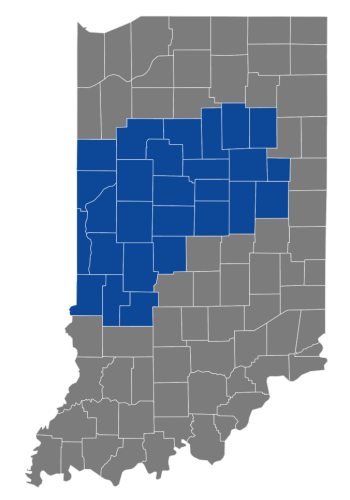
Fairmount Door has serviced Indiana commercial clients for over 50 years, and the brewery and distillery segment behaves differently than retail or office buildings: doors run more cycles per day, sit closer to moisture and chemical exposure, and often need to satisfy a fire code separation between storage and production that a strip mall never has to think about.
Measure your bay openings for trucks, forklifts, and kegs
Start with the physical constraints before anything else gets specified. A door sized for the forklift and not the loaded pallet is the single most common measurement error on brewery jobs.
- Grain truck clearance height with the trailer at full load
- Forklift mast height measured with tines raised, not lowered
- Keg pallet stack height plus six inches of clearance
- Kettle or tank delivery clearance for oversized equipment days
- Track clearance around ceiling-mounted HVAC, ductwork, or dust collection lines
Choose the right cycle count rating for your traffic
Most breweries underrate this and pay for it in spring failures within the first year. The manual approach: log every door opening across all shifts for a full week with a clipboard on the wall, then compare that number against standard commercial door tiers — 100,000, 250,000, and 500,000-cycle ratings cover the range from moderate to constant-traffic bays.
- Count daily openings across every shift, including off-hours deliveries
- Add a 20% buffer for seasonal bottling or canning runs
- Match springs, rollers, and track gauge to the counted cycle range, not the door size alone
- Compare your count against cycle count rating guidance before ordering
Fairmount Door pulls average cycle data from comparable production facilities for clients who don't want to run a week-long manual count — it's faster, but the manual log is still the more accurate number for your specific bay.
Pick insulation for wash-down and temperature swings
Cold rooms, fermentation cellars, and walk-in coolers all depend on the door holding a temperature line, not just closing.
- Polyurethane core panels rated R-16 to R-19 for cold storage and cellar bays
- Stainless or galvanized hardware in any bay that gets hosed down daily
- Gasketed bottom seals to block draft under fermenter rooms
- Vapor barrier backing to cut condensation drip on humid production floors
A door without a vapor barrier in a wash-down bay condenses on the inside panel and drips onto the floor — that's a slip hazard, not just a cosmetic problem.
Separate high-hazard rooms with fire-rated doors
Ethanol storage, grain silos, and distillation equipment usually require a fire barrier between them and the general production floor under most commercial building codes.
- 3-hour fire rating between ethanol or grain storage and production areas
- Code-listed hardware to keep the rating valid after install
- Self-closing or heat-triggered release mechanisms on the separation door
- Inspection tags updated at install and logged for the building file
Protect the door from forklift and pallet traffic
Forklift contact is the leading cause of early door failure in production facilities, and it's almost always preventable with the right hardware from the start.
- Bollards or guide rails at jamb corners on high-traffic bays
- Breakaway bottom sections on doors that see repeated pallet contact
- Photo-eye sensors mounted above pallet height, not floor height, to avoid false triggers from stacked product
- Employee training on clearance distance before backing a loaded forklift through
Get a brewery door quote
Talk to Fairmount Door about bay sizing, cycle ratings, and fire separation for your facility.
Set up a maintenance contract before the warranty runs out
A door rated for 250,000 cycles still needs quarterly attention if it's actually running that many openings. Skipping the contract just moves the repair cost from scheduled to emergency.
- Quarterly spring and cable inspection
- Annual photo-eye and safety reversal test
- Seasonal weatherstrip and bottom seal replacement
- Documented service log for insurance and health inspection audits
Comparing overhead door options for breweries and distilleries
| Option | Best for | Key limitation |
|---|---|---|
| Insulated rolling steel door | Cold storage bays and refrigerated cellar entries | Slower cycle speed than fabric doors on high-frequency lanes |
| Sectional steel door | General production floor bays with moderate traffic | Panel seams can trap moisture in constant wash-down areas |
| High-speed fabric door | High-traffic forklift lanes between packaging and loading | Lower insulation value, so avoid on exterior cold storage walls |
| Fire-rated rolling steel door | Separating grain or ethanol storage from production floor | Requires code-listed hardware and inspection to keep the rating valid |
Verdict: for most breweries, an insulated rolling steel door on cold storage bays paired with a fire-rated door on hazard separation covers the two conditions that fail most often — go with insulated steel over fabric on any wall shared with refrigeration.
Common mistakes breweries make on overhead door installation
- Sizing the door for the forklift, not the loaded pallet — leaves no margin once product is stacked to height.
- Skipping fire separation between grain or ethanol storage and production — a code violation that surfaces during an inspection, not before.
- Ignoring corrosion risk on hardware in wash-down bays — standard steel hinges and tracks pit and seize faster than stainless in daily chemical exposure.
- Underrating cycle count for high-traffic loading days — a door speced for 100,000 cycles fails early on a bay running three shifts of pallet traffic.
- No backup plan for cold storage doors during a power outage — a walk-in cooler door that won't open manually during an outage costs product, not just convenience.
“A door without a vapor barrier in a wash-down bay condenses on the inside panel and drips onto the floor — that’s a slip hazard, not just a cosmetic problem.”
FAQ
What’s the best overhead door for a brewery cold storage bay?
An insulated rolling steel door rated R-16 to R-19 holds the temperature line best for cold storage and fermentation cellar bays in 2026. Fabric doors move faster but insulate less, so they fit high-traffic lanes better than exterior cold walls.
Is a fire-rated door required between grain storage and the production floor?
Most commercial building codes require a fire separation, commonly a 3-hour rating, between grain or ethanol storage and general production space. Check your local code before finalizing the door schedule.
How many cycles does a brewery overhead door need to be rated for?
Facilities running three shifts of forklift and delivery traffic typically need a 250,000 to 500,000-cycle rating, not the 10,000-cycle residential default. A week-long manual count of daily openings gives the most accurate number for your bay.
Does wash-down exposure affect door hardware choice?
Yes — standard steel hinges, tracks, and rollers corrode faster under daily chemical wash-down. Stainless or galvanized hardware holds up longer in constant-moisture production bays.
How often should a commercial brewery door get serviced?
Quarterly spring and cable inspections plus an annual photo-eye and safety reversal test cover the baseline for high-cycle production doors in 2026. Facilities running near their rated cycle limit benefit from more frequent checks.
Can an existing warehouse door be retrofitted for brewery use?
Sometimes, if the frame and cycle rating already match the new traffic load, but insulation, fire separation, and hardware usually need upgrading. A measurement and cycle-count review before retrofit avoids specifying the wrong panel.
What causes premature overhead door failure in production facilities?
Forklift contact and underrated cycle counts cause most early failures in brewery and distillery settings. Bollards, guide rails, and correctly rated springs address both.
One last thing
The detail most breweries skip isn't the door itself — it's the photo-eye sensor height. Mounted at the standard floor-level position, sensors trigger constantly on stacked pallets and get disabled by frustrated staff within a month, which defeats the entire safety system. Mount them above typical pallet stack height and the false-trigger problem disappears without losing forklift detection.
Related guides
- Insulation ratings for commercial overhead doors
- Setting up a maintenance contract for overhead doors