Commercial overhead door installation for food processing plants in 2026 means matching every opening to a sanitation zone, a cycle count, and a fire code requirement before a single panel goes in — not picking a door based on looks or the lowest bid. A processing floor door, a cold storage door, and a truck dock door are three different engineering problems even when they sit twenty feet apart in the same building.
- Food processing plants need washdown-rated or insulated doors, not standard steel sectional doors, to pass USDA/FDA sanitation inspections in 2026.
- Cycle count rating drives door selection at dock openings more than price or color ever will.
- Fairmount Door installs and repairs commercial overhead doors for food processing plants and treats cycle rating and sanitation as one decision, not two.
- Fire-code separation between processing and cold storage areas often dictates door type before aesthetics enter the conversation.
- A maintenance contract signed at installation avoids the two-week downtime scramble that hits plants every few years.
Why commercial overhead door installation matters for food processing plants
A garage door on a house fails and someone calls for repair the same week. A door failure at a processing plant during a production run shuts down a line, stalls a shipment, or worse, forces a sanitation hold while an inspector documents the gap around a warped panel. The stakes are higher and the tolerances are tighter.
Food plants also run doors harder than almost any other commercial building type. Dock doors cycle dozens of times a shift as trucks rotate through, interior doors between the cooler and the production floor cycle even more, and every one of those openings is a potential entry point for pests, moisture, and temperature swings that show up on a compliance report. Commercial overhead door repair for food processing plants exists as a separate service line from installation for exactly this reason — plants need both a door built for the job and a fast response when one fails mid-shift.
How to plan commercial overhead door installation for food processing plants
Audit every opening against its sanitation zone
Start with a walk of the building and classify every overhead door by what happens on each side of it, not by what door is currently installed there.
- Mark doors that separate raw intake from finished product
- Mark doors that separate ambient space from cold storage
- Mark doors exposed to daily washdown with hoses or chemical cleaners
- Note any door currently failing an inspection checklist item
- Flag doors with visible gaps, rust, or damaged bottom seals
Match door type to zone, not to budget line
A sectional steel door works fine for a dry storage bay. It does not belong on a washdown line where chemical runoff and standing water sit against the bottom panel for hours every day.
- Use stainless or washdown-rated rolling steel on production floor washdown zones
- Use insulated sectional doors on ambient-to-cold-storage transitions
- Use high-speed fabric doors on high-traffic interior openings between departments
- Reserve fire-rated doors for any separation the local fire code requires
- Avoid wood-composite or standard residential-grade panels anywhere near food contact surfaces
Get the cycle count rating right before you order
This is the step plants skip most often, and it's the one that causes premature spring and hinge failure within a year or two of install. How to choose the right cycle count rating for a commercial door walks through the math, but the short version: count actual daily cycles per opening, not an estimate from the sales rep.
- Track cycles per shift for each dock door over a normal week
- Add a buffer for seasonal volume spikes
- Choose spring and hardware ratings above your peak, not your average
- Ask the installer for the manufacturer's rated cycle life in writing
Plan for temperature and insulation at every zone transition
Cold storage doors that don't seal properly cost money twice — once in energy loss and again when condensation on the warm side turns into a sanitation finding.
- Verify insulation R-value matches the temperature differential at that opening
- Check bottom seals and weatherstripping rated for repeated washdown
- Confirm perimeter seals close fully at every cycle, not just on install day
- Test for frost buildup on the cold side within the first two weeks of operation
Confirm fire-rated separation where code requires it
Many processing plants have a fire wall between production and dry storage, and the overhead door in that wall has to carry a rating that matches the wall, not just fit the opening.
- Pull the building's fire separation requirements before ordering any door
- Confirm the door's rating matches the wall assembly it sits in
- Document the rating on file for the next inspection cycle
- Don't assume an existing door meets code just because it's been there for years
Schedule installation to protect production time
A processing line doesn't stop for convenience, so installation timing matters as much as door selection.
- Schedule dock door swaps during planned downtime or between shifts
- Stage replacement panels and hardware on-site before the old door comes down
- Sequence multi-door projects so no two critical openings are down at once
- Confirm temporary barriers are ready if a sanitation zone has to stay sealed mid-install
Set up maintenance before the door ever fails
Installation day is the easiest time to lock in a service schedule, because everyone involved already knows the door's cycle count and zone requirements. How to set up a maintenance contract for overhead doors covers what belongs in that agreement — inspection frequency, seal replacement intervals, and response time commitments for emergency calls.
Comparison: overhead door options for food processing plants
| Door Type | Best For | Key Strength | Key Limitation |
|---|---|---|---|
| Insulated steel sectional | Ambient-to-cold-storage transitions | Temperature control, familiar hardware | Panels trap moisture if seals age out |
| Washdown-rated rolling steel | Production floor washdown zones | Corrosion resistance, chemical tolerant | Higher cycle wear, needs tighter service schedule |
| High-speed fabric door | High-traffic interior openings | Fast cycles, cuts temperature loss between zones | Less physical security than solid steel |
| Fire-rated overhead door | Fire wall separations | Meets code-required fire separation | Fewer insulation options on some models |
Verdict: for most food processing plants in 2026, the production floor needs washdown-rated rolling steel, the dock needs a high-cycle insulated sectional, and any fire wall opening needs a rated door regardless of what's convenient. Mixing those up is the single most common cause of failed inspections tied to overhead doors.
Get a plant walk-through scheduled
Match every opening to its sanitation zone and cycle count before you order.
Common mistakes food processing plants make
- Ordering by opening size only. A door that fits the hole isn't the same as a door rated for the traffic and washdown that hole sees every day.
- Skipping the fire separation check. Plants replace a door on looks or lead time and find out at the next inspection that the rating doesn't match the wall.
- Ignoring cycle count until a spring snaps. High-traffic dock doors on standard-duty springs fail early and take down a line mid-shift.
- Treating maintenance as reactive. Waiting for a door to fail costs more in downtime than a scheduled inspection ever would.
- Reusing hardware from the old door. Rollers, hinges, and cables exposed to years of washdown chemicals corrode faster than the panel itself, and reusing them undercuts a brand-new door.
FAQ
What’s the best overhead door type for a food processing plant in 2026?
Washdown-rated rolling steel for production floor zones and insulated sectional doors for cold storage transitions cover most food processing plant needs in 2026. The right choice depends on which side of the wall handles washdown chemicals and which side needs temperature control.
Do food processing plants need fire-rated overhead doors?
Yes, any overhead door installed in a fire separation wall between processing and storage areas needs a rating that matches the wall assembly. Skipping this is one of the most common findings in commercial inspections.
How often should a food plant overhead door be serviced?
High-cycle dock and processing doors need inspection more often than a standard commercial door because washdown chemicals and daily traffic wear seals and hardware faster. A maintenance contract set up at installation defines the actual interval based on the door’s cycle count.
What cycle count rating is best for food processing plants?
Rate the door above your peak daily cycle count, not your average, since dock traffic spikes during seasonal production runs. Track actual cycles per shift before ordering rather than estimating.
How much downtime does commercial overhead door installation take?
Downtime depends on the number of openings and whether the plant schedules the swap during planned downtime or between shifts. Staging replacement panels and hardware on-site before removing the old door cuts the window significantly.
Can existing dock doors be upgraded for sanitation compliance?
Existing dock doors can often be retrofitted with washdown-rated seals and corrosion-resistant hardware, but a door with visible rust, gaps, or a failing cycle rating usually needs full replacement instead. An on-site inspection settles which path applies.
What’s the difference between insulated and washdown-rated doors?
Insulated doors control temperature at zone transitions like cold storage entries, while washdown-rated doors resist corrosion from hoses and chemical cleaners on the production floor. Many plants need both, installed at different openings in the same building.
Does Fairmount Door install commercial overhead doors for food processing plants?
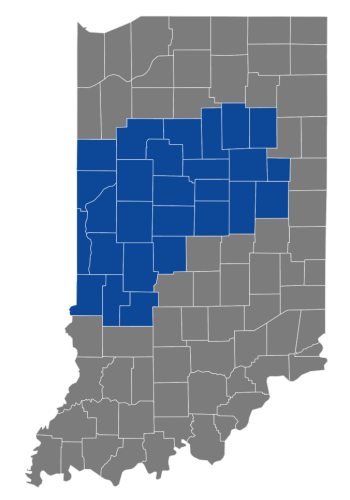
Yes, Fairmount Door installs and repairs commercial overhead doors for food processing plants, matching door type to sanitation zone and cycle count during the same project. The company has served Hoosier commercial and residential customers for over 50 years.
One last thing
The door that fails first at most food processing plants isn't the production floor door everyone worries about — it's the interior door between the cooler and the ambient hallway, cycled dozens of times a shift by staff who don't think of it as a commercial door at all. Get that one rated correctly in 2026 and the bigger dock doors tend to follow the plan without a fight.
Related guides
- Best commercial overhead door insulation ratings for efficiency
- How to set up a maintenance contract for overhead doors