Agricultural buildings run overhead doors harder than almost any other structure type — feed dust, tractor vibration, wide-open wind exposure, and doors cycling multiple times a day during harvest or calving season. This guide breaks down what actually matters when you're sourcing overhead door repair for agricultural buildings in 2026, not the generic checklist built for a two-car garage.
- Torsion springs rated for 15,000+ cycles are the right call for daily ag use — buy, don’t downgrade to residential-grade.
- Wind-load rated tracks matter most for open-span pole barns exposed on multiple sides — consider upgrading before the next storm season.
- A 1/2 HP to 1 HP commercial opener is the floor for doors over 12 feet wide; anything smaller stalls under load.
- Reinforced bottom seals cut feed dust and rodent entry better than standard weatherstripping in barn and outbuilding settings.
- Overhead door repair for agricultural buildings in 2026 favors heavy-duty commercial components over big-box residential parts every time.
Why this matters
A garage door on a house fails and someone is inconvenienced for a day. An overhead door on a barn, grain facility, or equipment shed fails and you've got livestock exposed, feed spoiling, or a $40,000 combine stuck outside during a storm.
The repair math is different too. Ag buildings often run doors 4-8 times a day, every day, year-round — that's a cycle count residential springs were never engineered for. Fairmountdoor sees the same pattern across rural service calls: a homeowner-grade spring or opener gets installed because it's cheaper up front, then it fails inside 18-24 months instead of lasting a decade.
Who this is for
This guide is for farm owners, equipment shed managers, and ag facility operators running overhead doors that see daily heavy-duty use — grain buildings, machine sheds, livestock barns, and pole barn and outbuilding structures where the door is functional equipment, not curb appeal. If your door opens once a week for a car, this isn't your guide. If it opens every time a tractor, feed truck, or trailer needs through, keep reading.
What to look for in overhead door repair for agricultural buildings
Cycle rating on springs, not just size
A spring's wire gauge and coil count determine how many open-close cycles it survives before it fatigues and snaps. Residential torsion springs are commonly rated for 10,000 cycles — fine for a household door opening twice a day. An ag building doing six or more cycles daily burns through that rating in under five years. Ask for a spring rated at 15,000 cycles minimum, and expect it to cost more up front for fewer emergency calls later.
Wind load rating on the track and door panel
Open-span pole barns and equipment sheds sit exposed on multiple sides with nothing blocking wind the way a suburban lot does. A door and track system rated for standard residential wind exposure can rack, bow, or come off its rollers in a straight-line wind event that a wind-load rated commercial system shrugs off. This matters more in 2026 than it did a decade ago, as storm intensity in the Midwest and Plains has pushed more rural buildings toward reinforced track hardware.
Opener horsepower matched to door weight and width
A 16-foot insulated steel door weighs significantly more than a standard 9-foot residential door, and undersized openers strain, overheat, or simply stall trying to lift it. Matching opener horsepower to actual door weight and width, not just what's cheapest at the hardware store, is the single most common gap on ag properties running oversized doors on residential-grade motors.
Seal quality against dust, feed, and pests
Standard vinyl weatherstripping degrades fast in a barn environment with feed dust, moisture, and constant temperature swings between an unheated structure and outside air. A reinforced bottom seal keeps rodents, birds, and blowing debris out of grain and feed storage areas far longer than the strip that comes standard on most commercial door kits.
Track and roller durability under vibration
Equipment moving in and out — tractors, skid steers, feed trucks — puts vibration into the slab and the door frame that a residential setting never sees. Nylon rollers with sealed bearings outlast steel rollers here and run quieter, which matters if the building sits anywhere near livestock.
Response time when the door goes down
Downtime on an ag building isn't cosmetic — it's animals exposed, feed deliveries stalled, or equipment stranded. A repair provider that can get a technician out same-day or next-day during planting or harvest season is worth more than a marginally lower quote from someone booked out a week.
Get an overhead door repair quote
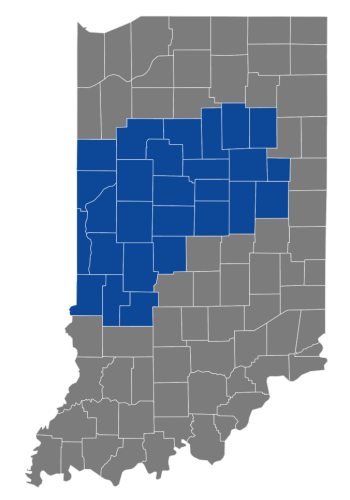
Fairmountdoor services commercial and ag overhead doors across the region.
Top picks for ag-grade overhead door components
The workhorse fix — heavy-duty torsion spring replacement. Rated for 15,000+ cycles versus the 10,000-cycle residential standard, this is the upgrade that stops the every-two-year emergency spring call. Verdict: Buy.
The wind belt — wind-load rated track and hardware. Built for open-span exposure on pole barns and machine sheds; reinforced brackets resist the bowing that standard track shows after a single severe wind event. Cross-reference against commercial overhead door repair for warehouses if your ag building shares a footprint with commercial storage — the wind and cycle demands overlap closely. Verdict: Buy for exposed structures, Consider for sheltered ones.
The dust guard — reinforced bottom seal. Cuts feed dust intrusion and pest entry noticeably better than standard weatherstripping in grain and feed storage buildings. Verdict: Buy.
The oversized opener — 1/2 HP to 1 HP commercial operator. Matched to doors over 12 feet wide or 400+ lbs, this is where undersized residential openers fail fastest. Verdict: Buy if your current opener strains or stalls; Skip replacing a properly sized unit that's under five years old.
The quick patch — DIY panel swap. Fine for cosmetic dents on a low-cycle door. Not fine if the frame is racked or the track is out of alignment — patching a panel on a bent frame just moves the failure point. Verdict: Skip unless a technician confirms the frame is square.
What to avoid
- Residential-grade springs marketed as "heavy duty." The label means little without a stated cycle rating — ask for the number, not the adjective.
- Universal weatherstripping kits from big-box stores. Most are cut for standard residential door profiles and gap at the corners on wider ag doors, letting dust and rodents right back in.
- Skipping track realignment after a storm. A door that still opens and closes after high wind can be running on a track that's a quarter-inch off — that's the setup for a full derailment three months later, not a repair you can defer indefinitely.
Verdict comparison
| Component | Best for | Cycle/load spec | Verdict |
|---|---|---|---|
| Heavy-duty torsion spring | Daily-use ag doors | 15,000+ cycles | Buy |
| Wind-load track hardware | Open-span pole barns | Rated for severe wind exposure | Buy |
| Reinforced bottom seal | Grain/feed storage | Dust and pest resistant | Buy |
| 1/2-1 HP commercial opener | Doors over 12 ft wide | Matched to door weight | Buy |
| DIY panel patch | Cosmetic dents only | No frame damage | Skip if frame is racked |
FAQ
What’s the best overhead door repair for agricultural buildings in 2026?
Heavy-duty torsion springs rated for 15,000+ cycles paired with a properly sized 1/2 HP to 1 HP commercial opener handle daily ag use best in 2026. Residential-grade components fail faster under the cycle count most barns and sheds see.
Is commercial-grade overhead door hardware worth the extra cost for a barn?
Yes, if the door cycles more than twice a day. Commercial-grade springs and track cost more upfront but avoid the repeat emergency calls that residential parts generate under heavy daily use.
How often should ag building overhead doors get inspected?
Twice a year at minimum, plus after any severe wind or storm event. Track alignment and spring tension both shift under heavy cycling and exposure faster than on a residential garage.
How much does overhead door repair cost for a pole barn or equipment shed?
Costs vary by door size, spring type, and whether track or opener replacement is involved. A detailed breakdown is in the guide on how to budget for garage door repair and replacement costs.
Can a residential garage door opener work on an ag building door?
Only on smaller, lighter doors. Anything over roughly 12 feet wide or built from heavier insulated steel panels needs at least a 1/2 HP commercial-rated opener to avoid stalling or overheating the motor.
What causes overhead doors on farms to fail faster than home garage doors?
Higher daily cycle counts, wind exposure on open-span structures, and dust or moisture from feed and livestock all accelerate wear on springs, seals, and rollers compared to a typical residential setting.
Do wind-rated tracks matter for sheltered equipment sheds?
Less critical than for fully exposed pole barns, but still worth considering if the structure sits on an open lot with no windbreak. Sheltered buildings can often use standard commercial track.
One last thing
The most overlooked failure point on ag overhead doors isn't the spring or the opener — it's the bottom seal getting ignored for years while feed dust and moisture work into the door bottom and frame. By the time that shows up as a door that won't seal or close all the way, the fix usually involves more than a seal swap. Check the bottom seal every season, not just when something visibly breaks.
Related guides
- How to budget for garage door repair and replacement costs
- Garage door repair for farmhouses and rural properties